Proper toe alignment is crucial for maintaining overall foot health. Our feet are designed to balance the weight of our body, absorb shock, and facilitate movement. When the toes are misaligned, it can lead to various problems that affect not only the feet but also our mobility and overall quality of life. Understanding the causes of misalignment is essential for recognizing why proper toe alignment matters.
One primary cause of toe misalignment is the type of footwear we choose to wear. Shoes that are too tight, narrow, or lack proper support can compress the toes and force them into unnatural positions. Schippers et al. (2023) discuss the controversial definition of normal toe alignment, highlighting how popular footwear styles often encourage misalignment. As more people wear shoes with pointed toes or high heels, the risk of conditions such as bunions and hammertoes increases. This indicates that footwear plays a crucial role in maintaining proper toe health.
In addition to footwear, certain medical conditions can lead to toe misalignment. Diabetes, for instance, can affect the nerves and blood flow to the feet, making it harder to recognize discomfort or injuries. The American Diabetes Association (2020) emphasizes the importance of foot care for individuals with diabetes, noting that misaligned toes can contribute to complications that may lead to severe consequences. Similarly, other conditions like arthritis can alter the way our feet function, leading to further misalignment and discomfort.
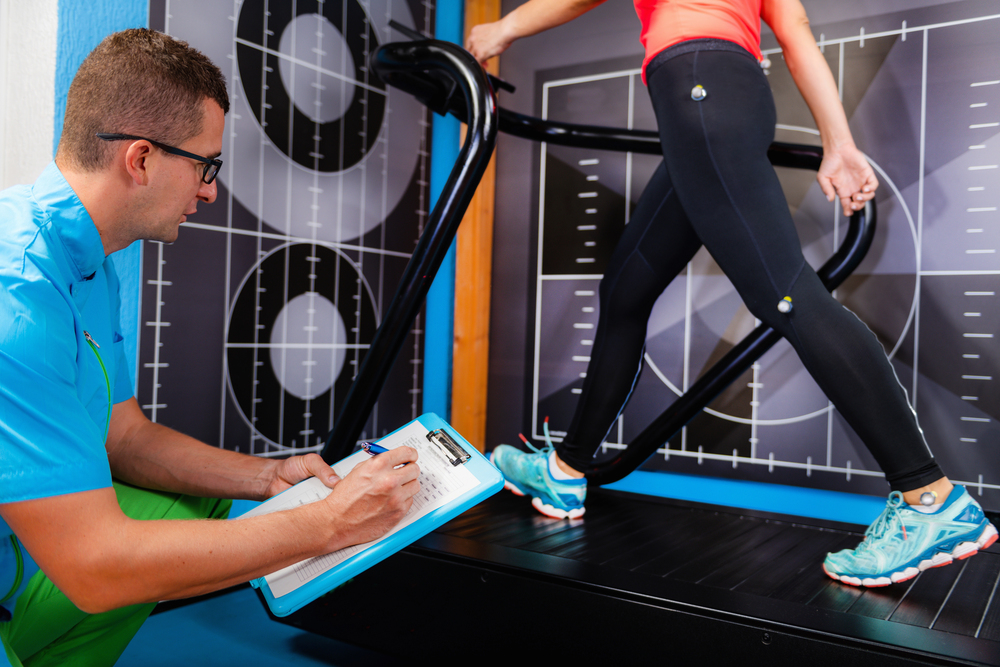
Misalignment of the toes can significantly impact mobility. When toes do not align properly, it can affect the way we walk. A person with misaligned toes may change their gait to compensate for discomfort or instability. Wafai et al. (2015) discuss how difficulties in walking often lead to plantar pressure asymmetry, which can create further foot pathologies. This means that one side of the foot may take on more weight than the other, leading to additional pain and problems in the legs and back. Over time, these changes can affect one’s overall balance and increase the risk of falls.
Fortunately, there are effective methods to correct toe misalignment through dedicated exercises and proper footwear. Strengthening and stretching exercises can help improve toe alignment and overall foot function. These exercises can include simple activities like toe curls, where one curls the toes down and then back up, and toe spacers, which help stretch and align the toes properly. Tedeschi et al. (2024) highlight that specific lacing techniques in footwear can also help provide better fit and comfort, reducing the risk of injury from misalignment. These methods are straightforward and can often be integrated into daily routines, making them accessible for many individuals.
Proper footwear is another key component in correcting toe misalignment. Selecting shoes that offer adequate space for the toes, proper arch support, and cushioning can encourage healthy foot mechanics. Tedeschi et al. (2024) further elaborate on this by revealing that a good shoe fit can prevent many podiatric issues. When shoes allow for natural toe alignment, they not only help in correcting misalignment but also enhance overall well-being.
Incorporating orthotic devices, such as custom insoles, can also be beneficial. These insoles can provide additional support and help in realigning the toes. By addressing the root cause of misalignment, individuals can see significant improvements in foot health, mobility, and comfort over time.
To conclude, proper toe alignment is essential for maintaining overall foot health. Misalignment can stem from improper footwear and medical conditions, leading to reduced mobility and potential discomfort. Through targeted exercises and careful selection of footwear, individuals can work towards correcting and maintaining proper toe alignment. By prioritizing toe health, we can enhance our mobility and overall quality of life, affirming that small changes in our habits can lead to significant benefits in our daily routines. Emphasizing these factors can lead to greater awareness of the importance of foot care and proper toe alignment in all aspects of life.
Citations:
Tedeschi, R., Giorgi, F. and Donati, D., 2024. Footwear and foot health: unveiling the role of proper shoe fit in preventing podiatric issues and enhancing Well-Being. Applied Sciences, 14(21), p.9938. https://www.mdpi.com/2076-3417/14/21/9938
Schippers, P., Drees, P., Gercek, E., Wunderlich, F., Müller, D., Ruckes, C., Meyer, A., Klein, S. and Fischer, S., 2023. The controversial definition of normal toe alignment. Journal of Clinical Medicine, 12(10), p.3509. https://www.mdpi.com/2077-0383/12/10/3509
Tedeschi, R., Giorgi, F. and Donati, D., 2024. Harnessing Foot Mechanics: The Role of Lacing Techniques in Enhancing Comfort and Reducing Injury Risk. Applied Sciences, 14(22), p.10190. https://www.mdpi.com/2076-3417/14/22/10190
Wafai, L., Zayegh, A., Woulfe, J., Aziz, S.M. and Begg, R., 2015. Identification of foot pathologies based on plantar pressure asymmetry. Sensors, 15(8), pp.20392-20408. https://www.mdpi.com/1424-8220/15/8/20392
American Diabetes Association, 2020. 11. Microvascular complications and foot care: standards of medical care in diabetes− 2020. Diabetes care, 43(Supplement_1), pp.S135-S151. https://diabetesjournals.org/care/article-abstract/43/Supplement_1/S135/30443

University lecturer, runner, cynic, researcher, skeptic, forum admin, woo basher, clinician, rabble-rouser, blogger, dad.