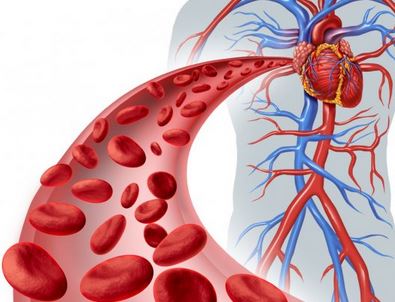
Poor circulation, which is also referred to as peripheral artery disease or blood flow issues, is a condition where blood does not flow adequately throughout the body. Poor circulation is a serious health condition that can have many life-threatening health complications. It can cause organs and tissues to become malnourished because they are not receiving sufficient oxygen and nutrients. People who experience poor circulation may experience discomfort, pain and other health problems. It is crucial for individuals with circulation issues to find relief as soon as possible to prevent any further health problems.
The main causes of poor circulation are a range of different health and lifestyle related issues. Many cardiovascular diseases and conditions affect the heart and blood vessels and can lead to problems with circulation. Heart disease for example is a major health concern in the UK, with underlying causes such as high blood pressure, raised cholesterol, and diabetes commonly contributing to the condition. As these conditions deteriorate the heart becomes less efficient at circulating blood around the body, leading to symptoms of poor circulation. Arterial blockages occur when fatty deposits build up within the arteries, narrowing or blockading them. Arterial blockages can cause a range of complications, including atherosclerosis which can exacerbate symptoms of poor circulation.
Good blood circulation is largely dependent on many factors. Lifestyle also plays a significant role in promoting or hindering good blood circulation. If one takes up a poor diet, does not engage in enough physical activity, smokes or consumes too much of alcohol, then he or she may suffer from poor blood circulation. Having a diet rich in saturated fats for example can cause increase in cholesterol levels thereby increasing the chances of development of atherosclerosis, i.e. deposition of plaques in the arteries. However, exercising and engaging in physical activity regularly is also important for good blood circulation as it makes heart strong and smoothen arteries to facilitate good flow of blood.
Heart failure is one of the many conditions that highlight the serious implications that poor circulation can have on your health. Heart failure occurs when the heart is unable to adequately pump blood to meet your body’s demands. Long-term circulatory problems could be the cause of heart failure. It is one of the world’s most common health problems, which is why it affects over 30 million people around the globe. If left untreated, it can increase your risk of other complications (Pazos-López et al., 2011).
Understanding the causes of poor circulation is just as important as knowing its health impacts. Being able to recognise the symptoms will help you find the relevant treatment quickly, as well as informing you of any lifestyle changes that you can make to increase blood flow. Many of the potential causes are within your control. Knowing what puts you at risk of poor circulation will help you to start taking action. – Kalantar-Zadeh et al.
The effects of poor circulation are widespread, and will be experienced at many different points in your life. For example, symptoms such as fatigue can be suffered by poor circulators, despite getting plenty of sleep. Pain and cramping in the limbs, either at rest or during activity, are common complaints. It is possible to suffer from numbness in your limbs too, as poor blood supply can prevent you from feeling anything as you normally would. The skin on your feet and hands could also feel cold all the time. These and other symptoms which are connected to problems with the flow of blood can have a big impact on your daily life (Tribune Business News).
Poorer blood circulation can be more than “only” pain in legs. It may lead to severe health issues in the long run. People with blood flow problems are at a higher risk of developing coronary microcirculation diseases. Those are issues affecting the heart’s tiny blood vessels, leading to angina, heart attacks or even heart failure. While they might have pain in legs, poor circulation patients could be harming their health (Ullrich-Daub et al., 2023; Chalikias & Tziakas, 2021).
Mental health is another important consideration for people experiencing poor circulation. Vascular diseases can have a significant impact on people’s mental health, particularly in causing symptoms of depression. While efforts should focus on alleviating symptoms and treating the condition, having poor circulation can make it much harder for some people to manage their pain or discomfort, leading to them feeling low or hopeless. Moreover, depressed patients are less likely to adhere to treatment, or to implement lifestyle modifications that could help them, such as increasing exercise or adopting a diet that is good for them. Indeed, there is considerable evidence that supporting the mental health of patients with vascular conditions is as important as supporting their physical health (Lichtman et al., 2014; Khan et al., 2020).
We know that the symptoms of poor circulation can be life-changing, potentially leading to severe and long-lasting health problems. They can even cause mental health issues, increasing the complexity of your treatment. But there are steps you can take to address the physical and mental implications of poor circulation, in order to live a normal life. Treatment of poor circulation can take many different forms. Firstly, there are the medical treatments designed to combat the root cause of your condition. This might include medicines that help thin your blood to promote circulation, or prescription medication that helps regulate your heartbeat in order to improve blood flow. In some, more serious cases of poor circulation, surgical intervention is required. Angioplasty and bypass surgery, for example, are used to widen constricted arteries and create a bypass around blocked sections of the arteries respectively (Limkakeng Jr & Stahmer, 2010).
Improving circulation is not just left to medical intervention. Lifestyle changes are also able to help improve your circulation, especially if you introduce exercise into your daily routine. By improving the functioning of the heart, regular exercise helps blood to flow more efficiently through the body. Activities like swimming and cycling are great examples of exercise that can help to boost circulation, but something as simple as going for a walk each day can make a big difference. For those with sedentary jobs, standing or stretching for short bursts throughout the day can also help to keep circulation at healthy levels.
In addition to regularly engaging in exercise and activities, a person’s diet can also positively affect blood circulation. Eating foods and beverages with nutrients that are essential for optimal blood circulation includes eating plenty of fruits, vegetables, whole grain products, and healthy proteins. Foods high in omega-3 fatty acids, including fatty fish, nuts (such as walnuts), and seeds (like flaxseeds), may help to counteract inflammation by promoting healthier blood flow. Raising consciousness of the intake of salt, and reducing it can also keep blood pressure down, which also promotes improved circulation. As with exercise and circulation, consuming too much processed food can decrease overall cardiovascular health (Calhoun et al., 2008).
Quitting smoking is another major lifestyle change that individuals can undertake to improve their blood circulation and help to reduce the risk of developing conditions such as poor circulation and cardiovascular disease. Giving up tobacco can have numerous benefits for your health and there are various resources such as counseling and support groups available to aid in the quitting process.
Improving your health through stress management and relaxation can also enhance your circulation. Many people find relief from their circulation problems by practising Yoga or meditation. Stress can cause blood vessels to constrict; relaxation counteracts this, and can benefit both body and mind.
Knowing about poor circulation is key to management. Early diagnosis and treatment can help prevent serious damage to tissues and organs. Regular health checkups are essential, especially for people with diabetes, hypertension, hyperlipidemia, and other risk factors. Appropriate medical treatment and lifestyle changes can lead to long-term gains in circulation and health. (Kones, 2013; Flora & Nayak, 2019).
Citations:
Pazos-López, P., Peteiro-Vázquez, J., Carcía-Campos, A., García-Bueno, L., de Torres, J.P.A. and Castro-Beiras, A., 2011. The causes, consequences, and treatment of left or right heart failure. Vascular health and risk management, pp.237-254. https://www.tandfonline.com/doi/abs/10.2147/VHRM.S10669
Limkakeng Jr, A.T. and Stahmer, S.A., 2010. Arterial circulation. Emergency Medicine Review: Preparing for the Boards (Expert Consult-Online and Print), p.57. https://books.google.com/books?hl=en&lr=&id=KzU4Uo-PHasC&oi=fnd&pg=PA57&dq=causes+and+treatments+for+poor+circulation&ots=M2ZAbBVvdj&sig=8Vy6yMUIA4ImANmNevvh0pdrnC4
Ullrich-Daub, H., Daub, S., Olschewski, M., Münzel, T. and Gori, T., 2023. Diseases of the coronary microcirculation: diagnosis and treatment. Deutsches Ärzteblatt International, 120(44), p.739. https://pmc.ncbi.nlm.nih.gov/articles/PMC10722490/
Chalikias, G. and Tziakas, D., 2021. Slow coronary flow: pathophysiology, clinical implications, and therapeutic management. Angiology, 72(9), pp.808-818. https://journals.sagepub.com/doi/abs/10.1177/00033197211004390
Kones, R., 2013. Molecular sources of residual cardiovascular risk, clinical signals, and innovative solutions: relationship with subclinical disease, undertreatment, and poor adherence: implications of new evidence upon optimizing cardiovascular patient outcomes. Vascular health and risk management, pp.617-670. https://www.tandfonline.com/doi/abs/10.2147/VHRM.S37119
Flora, G.D. and Nayak, M.K., 2019. A brief review of cardiovascular diseases, associated risk factors and current treatment regimes. Current pharmaceutical design, 25(38), pp.4063-4084. https://www.benthamdirect.com/content/journals/cpd/10.2174/1381612825666190925163827
Khan, N., Akbar, A., Fahad, S., Faisal, S. and Naushad, M., 2020. Analysis of heart treatment and its impact on socioeconomic conditions on the world Community. Available at SSRN 3727588. https://papers.ssrn.com/sol3/papers.cfm?abstract_id=3727588
Calhoun, D.A., Jones, D., Textor, S., Goff, D.C., Murphy, T.P., Toto, R.D., White, A., Cushman, W.C., White, W., Sica, D. and Ferdinand, K., 2008. Resistant hypertension: diagnosis, evaluation, and treatment: a scientific statement from the American Heart Association Professional Education Committee of the Council for High Blood Pressure Research. Circulation, 117(25), pp.e510-e526. https://www.ahajournals.org/doi/abs/10.1161/circulationaha.108.189141
Lichtman, J.H., Froelicher, E.S., Blumenthal, J.A., Carney, R.M., Doering, L.V., Frasure-Smith, N., Freedland, K.E., Jaffe, A.S., Leifheit-Limson, E.C., Sheps, D.S. and Vaccarino, V., 2014. Depression as a risk factor for poor prognosis among patients with acute coronary syndrome: systematic review and recommendations: a scientific statement from the American Heart Association. Circulation, 129(12), pp.1350-1369. https://www.ahajournals.org/doi/abs/10.1161/CIR.0000000000000019
Kalantar-Zadeh, K., Regidor, D.L., Kovesdy, C.P., Van Wyck, D., Bunnapradist, S., Horwich, T.B. and Fonarow, G.C., 2009. Fluid retention is associated with cardiovascular mortality in patients undergoing long-term hemodialysis. Circulation, 119(5), pp.671-679. https://www.ahajournals.org/doi/abs/10.1161/circulationaha.108.807362

University lecturer, runner, cynic, researcher, skeptic, forum admin, woo basher, clinician, rabble-rouser, blogger, dad.