Gait analysis plays an important role in diagnosing movement disorders. It allows doctors and healthcare professionals to gather detailed and precise information about how a person walks. This is important because many movement disorders, such as Parkinson’s disease and strokes, can change a person’s walking style. By using advanced technologies like motion capture systems and wearable sensors, professionals can collect quantitative data showing exact details of how a person’s gait may differ from typical patterns (Das et al., 2022).
This detailed data is crucial when diagnosing conditions that affect movement. For instance, someone with Parkinson’s disease might have slower, shuffling steps, while someone recovering from a stroke might have uneven steps and difficulty balancing. By pinpointing these specific gait deviations, healthcare providers can create personalized treatment plans that cater to each patient’s unique needs. This tailored approach can lead to better recovery outcomes since treatments can focus on the areas that need the most attention.
In recent years, the integration of artificial intelligence (AI) in gait analysis has brought even greater improvements. AI can help recognize complex patterns in human movement, which may not be easily identified through traditional methods (Molavian et al., 2023). Machine learning algorithms can analyze vast amounts of data from gait analysis, enabling specialists to detect subtle changes in a person’s walking pattern over time. This helps identify potential issues earlier and enhances the accuracy of the diagnosis.
Another significant development in gait analysis comes from advanced biomechanical analytics. These techniques provide real-time feedback about a person’s walking pattern. This is very helpful in both clinical settings and research. Real-time data enables therapists to make immediate adjustments to rehabilitation exercises based on a patient’s current performance (Alzahrani & Ullah, 2024). This kind of dynamic feedback can help improve the overall effectiveness of rehabilitation programs by ensuring that exercises are relevant and constructive.
Moreover, gait analysis is not only crucial for diagnosing problems but also helps in tracking progress during rehabilitation. By regularly measuring changes in gait, healthcare providers can assess how well a patient is responding to treatment. For example, if a patient’s gait shows improvement after therapy, it indicates that the treatment is effective. If there is no change or worsening, providers can adjust the rehabilitation plan accordingly.
In summary, the significance of gait analysis in diagnosing movement disorders lies in its ability to provide quantitative data that leads to more precise diagnoses and better treatment plans. The use of advanced technologies and AI improves the analysis even further, allowing healthcare professionals to understand complex patterns of movement better. These developments are vital for effective rehabilitation and ultimately support individuals in regaining mobility and improving their quality of life., In rehabilitation, the applications of gait analysis go beyond just diagnosing problems; they also help shape treatment plans and improve patient results. Gait analysis can reveal specific issues in how a person walks, which can guide the choice of rehabilitation devices and techniques. These devices, like robotic exoskeletons or specialized treadmills, use information from gait analysis to support and enhance movement, making it easier for patients to regain their mobility and functionality. Research by Chaparro-Cárdenas et al. (2018) has shown that using these rehabilitation devices can lead to significant improvements in patient outcomes.
One exciting area of gait analysis in rehabilitation is the use of neural network-based approaches. These advanced techniques can change a patient’s walking pattern to aid recovery, especially for knee injuries. For instance, Ardestani et al. (2014) demonstrate how understanding the mechanics of walking allows therapists to create targeted interventions that help patients heal more effectively. This biomechanical focus not only helps those recovering from injuries but also plays a vital role in preventing further injuries.
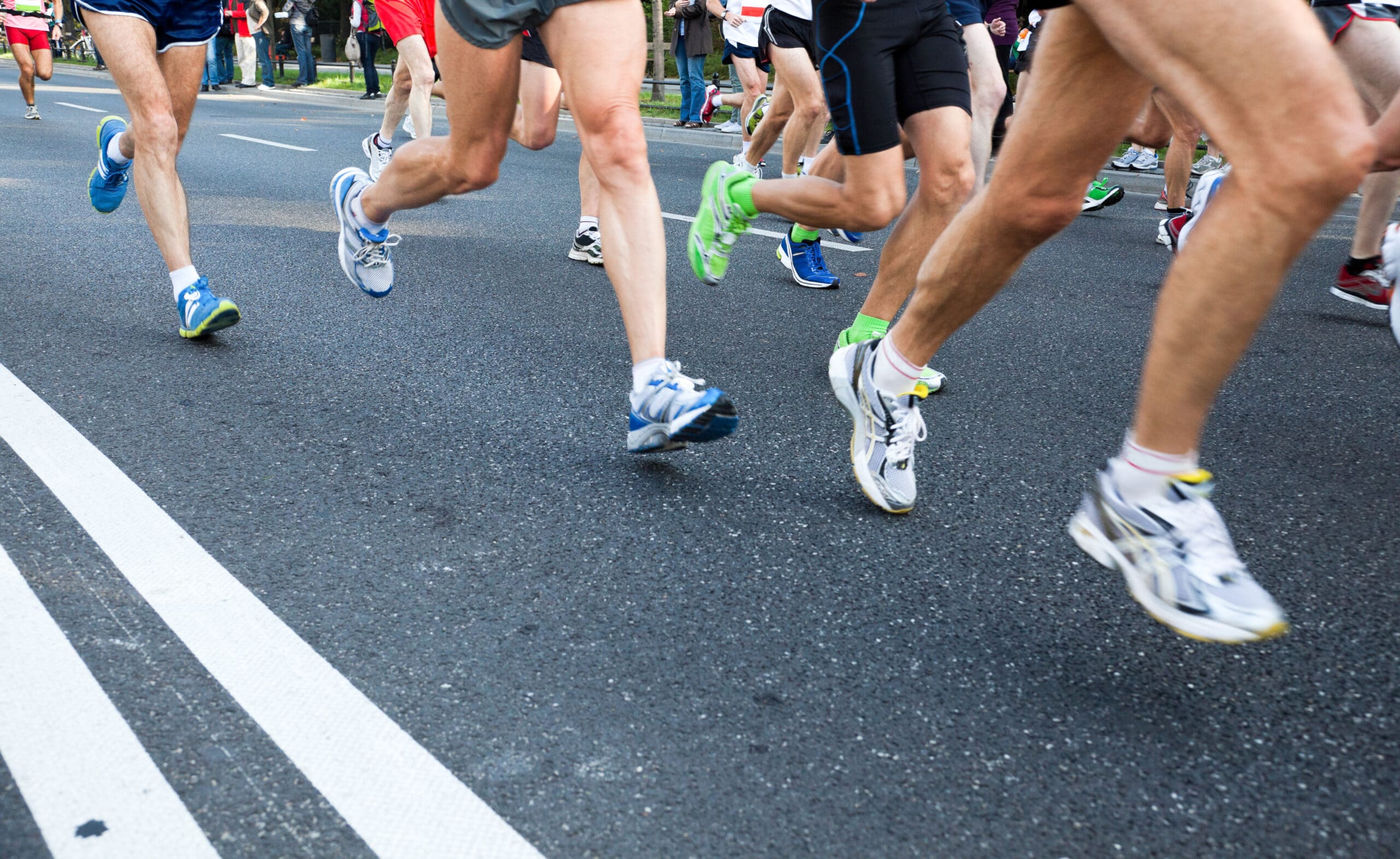
In addition to rehabilitation, gait analysis is crucial for athletes looking to improve their performance. Analyzing how athletes run can provide valuable insights into their running mechanics. By understanding the fine details of their gait, coaches and trainers can develop better training programs that enhance speed, endurance, and overall efficiency in athletes’ movements. As noted by Tran (2024), an optimized running technique can directly influence an athlete’s success in competitions, leading to faster times and improved performance levels.
Moreover, the connection between gait analysis and injury prevention cannot be overstated. By closely examining how athletes move, trainers can identify potential risks before they turn into serious injuries. When athletes and coaches incorporate insights from gait analysis into their training, they create environments that promote safer practices and better preparation for competition. Zhao (2024) highlights the importance of using sports biomechanics in rehabilitation, arguing that it not only aids recovery but also ensures athletes can return to their peak performance.
In the world of sports and health sciences, marrying gait analysis with rehabilitation programs holds immense benefits. This combined approach not only optimizes performance outcomes but also plays a crucial role in minimizing the risk of future injuries. It creates a holistic view of an athlete’s health and capabilities, ensuring that training is tailored to their unique physical structure and movement patterns. As noted by Mikolajczyk et al. (2018), this analytical approach is shaping the future of both rehabilitation and athletic training, underscoring the significance of gait analysis in various fields.
Citations:
Xu, D., Zhou, H., Quan, W., Jiang, X., Liang, M., Li, S., Ugbolue, U.C., Baker, J.S., Gusztav, F., Ma, X. and Chen, L., 2024. A new method proposed for realizing human gait pattern recognition: Inspirations for the application of sports and clinical gait analysis. Gait & posture, 107, pp.293-305. https://www.sciencedirect.com/science/article/pii/S0966636223014741
Mikolajczyk, T., Ciobanu, I., Badea, D.I., Iliescu, A., Pizzamiglio, S., Schauer, T., Seel, T., Seiciu, P.L., Turner, D.L. and Berteanu, M., 2018. Advanced technology for gait rehabilitation: An overview. Advances in Mechanical Engineering, 10(7), p.1687814018783627. https://journals.sagepub.com/doi/abs/10.1177/1687814018783627
Zhao, F., 2024. The Application of Sports Biomechanics in Sports Injury Prevention and Rehabilitation. Frontiers in Sport Research, 6(3), pp.142-147. https://www.francis-press.com/uploads/papers/2OVAw5Ew34FlmYYvb1jMWWq2PIohD2oEsmmXa99H.pdf
Tran, M.Q., 2024. Biomechanics of Running: Analyzing Gait for Enhanced Performance. Revista de Psicología del Deporte (Journal of Sport Psychology), 33(2), pp.108-117. https://rpd-online.com/manuscript/index.php/rpd/article/view/1704
Alzahrani, A. and Ullah, A., 2024. Advanced biomechanical analytics: Wearable technologies for precision health monitoring in sports performance. Digital Health, 10, p.20552076241256745. https://journals.sagepub.com/doi/abs/10.1177/20552076241256745
Ardestani, M.M., Moazen, M. and Jin, Z., 2014. Gait modification and optimization using neural network–genetic algorithm approach: application to knee rehabilitation. Expert systems with applications, 41(16), pp.7466-7477. https://www.sciencedirect.com/science/article/pii/S0957417414003753
Dhahbi, W., 2025. Advancing biomechanics: enhancing sports performance, mitigating injury risks, and optimizing athlete rehabilitation. Frontiers in Sports and Active Living, 7, p.1556024. https://www.frontiersin.org/journals/sports-and-active-living/articles/10.3389/fspor.2025.1556024/full
Molavian, R., Fatahi, A., Abbasi, H. and Khezri, D., 2023. Artificial intelligence approach in biomechanics of gait and sport: a systematic literature review. Journal of Biomedical Physics & Engineering, 13(5), p.383. https://pmc.ncbi.nlm.nih.gov/articles/PMC10589692/
Das, R., Paul, S., Mourya, G.K., Kumar, N. and Hussain, M., 2022. Recent trends and practices toward assessment and rehabilitation of neurodegenerative disorders: Insights from human gait. Frontiers in Neuroscience, 16, p.859298. https://www.frontiersin.org/articles/10.3389/fnins.2022.859298/full
Chaparro-Cárdenas, S.L., Lozano-Guzmán, A.A., Ramirez-Bautista, J.A. and Hernández-Zavala, A., 2018. A review in gait rehabilitation devices and applied control techniques. Disability and Rehabilitation: Assistive Technology, 13(8), pp.819-834. https://www.tandfonline.com/doi/abs/10.1080/17483107.2018.1447611

University lecturer, runner, cynic, researcher, skeptic, forum admin, woo basher, clinician, rabble-rouser, blogger, dad.