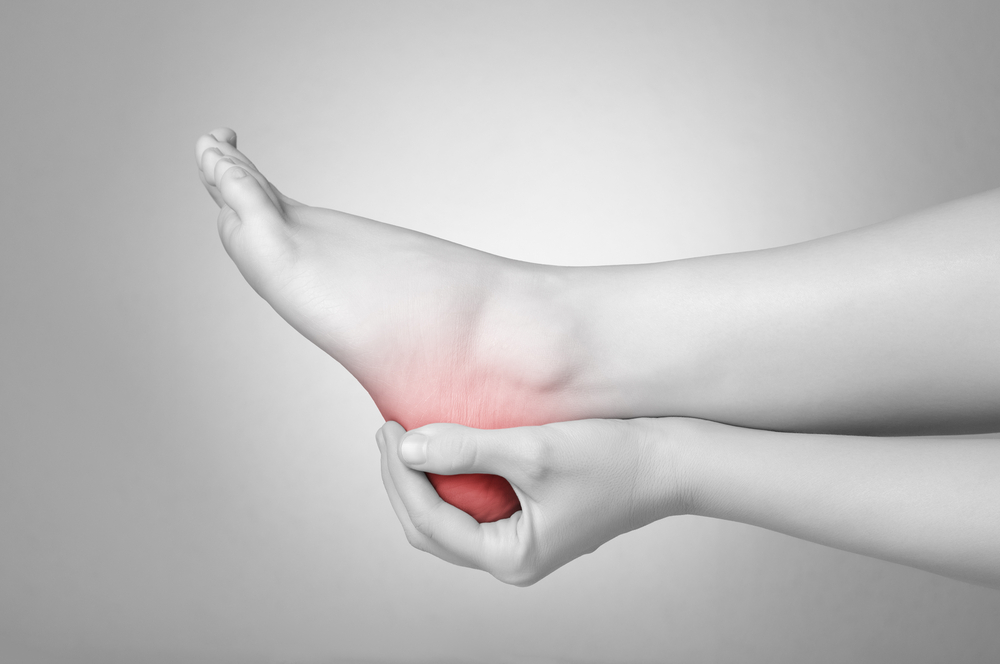
Calcaneal stress fractures are a common injury among athletes, particularly those who engage in high-impact sports such as running and jumping. These fractures occur in the heel bone, or calcaneus, due to repetitive stress and overuse. Understanding the causes, symptoms, diagnosis, and treatment options for calcaneal stress fractures is crucial, especially for athletes who are eager to return to their activities safely.
The primary cause of calcaneal stress fractures is repetitive mechanical loading on the bone, which surpasses the bone’s ability to remodel itself. Factors contributing to this overload include increased training intensity, improper footwear, and biomechanical abnormalities in an athlete’s gait (Kahanov et al., 2015). Additionally, athletes with a history of stress fractures or those who have weakened bones, due to conditions like osteoporosis, are at greater risk (Pegrum et al., 2014). Changes in training routines, such as suddenly increasing mileage or intensity, can also contribute to the risk of developing a stress fracture (Coslick et al., 2024).
The symptoms of calcaneal stress fractures often include localized pain, swelling, and tenderness around the heel. Athletes may experience pain that worsens during physical activity and improves with rest. In some cases, athletes may notice bruising or changes in the skin around the heel (Chirayath et al., 2024). The pain typically becomes more pronounced with weight-bearing activities, gradually making it more difficult for the athlete to train or compete effectively.
To diagnose a calcaneal stress fracture, healthcare professionals use a combination of physical examinations and imaging studies. A thorough medical history will provide insight into training practices and previous injuries. Physical examination often reveals point tenderness over the calcaneus. However, initial X-rays may not always detect stress fractures, as they can take time to appear (McInnis and Ramey, 2016). MRI is more sensitive and can help confirm the diagnosis in the early stages (Serrano et al., 2016). Another diagnostic tool is a bone scan, which can indicate areas of stress before the fracture becomes visible on X-rays (Pegrum et al., 2014).
When it comes to treatment, rest is a key component for recovery. Athletes are advised to avoid high-impact activities to allow the bone to heal. Depending on the severity of the fracture, treatment options can range from conservative measures, such as using crutches or wearing a boot, to more invasive procedures (Dhillon et al., 2020). Non-steroidal anti-inflammatory drugs (NSAIDs) can help reduce pain and inflammation (Chirayath et al., 2024). In more severe cases, surgical intervention may be necessary, particularly if the fracture is displaced or involves complications (Dhillon et al., 2020; Chirayath et al., 2024). Rehabilitation plays an essential role in returning to sports, focusing on strengthening exercises and gradually reintroducing the athlete to their sport (Kahanov et al., 2015).
The impact of calcaneal stress fractures on athletes can be significant. Not only do they require a break from training, but they also lead to emotional stress and potential setbacks in performance (Coslick et al., 2024). The fear of re-injury can linger even after recovery. Furthermore, the time lost during rehabilitation can affect an athlete’s competitive edge, and the possibility of losing a spot on a team can cause anxiety (Serrano et al., 2016). This underscores the importance of taking preventive measures to avoid such injuries in the first place.
Preventing calcaneal stress fractures requires a multifaceted approach. Athletes should gradually increase their training intensity and volume to allow their bodies to adapt (Kahanov et al., 2015). Proper footwear is also essential, as shoes that do not provide adequate support can contribute to poor biomechanics and increased risk (Pegrum et al., 2014). Additionally, incorporating strength training and flexibility exercises can help support bone health and muscle balance, minimizing the risk of injury (Coslick et al., 2024).
Nutrition plays a crucial role in bone health as well. Adequate intake of calcium and vitamin D is important for maintaining strong bones. Athletes should work closely with nutritionists to ensure they are meeting their dietary needs (Dhillon et al., 2020). Regular check-ups with healthcare providers, especially for those with a history of stress fractures, can help monitor bone health and identify risk factors (McInnis and Ramey, 2016).
Calcaneal stress fractures pose a significant challenge for athletes, affecting their physical and mental well-being. Through understanding the causes, recognizing the symptoms, accurate diagnosis, and effective treatment options, athletes can navigate these injuries. Importantly, implementing proactive prevention strategies is essential in reducing the incidence of such injuries. By promoting a healthy training environment and focusing on recovery, athletes can minimize their risk and enhance their overall performance (Chirayath et al., 2024; Serrano et al., 2016). Engaging in well-rounded training, paying attention to nutrition, and seeking professional guidance when needed will empower athletes to maintain their fitness while safeguarding their health.
Citations:
Dhillon, H., Dhillon, S. and Dhillon, M.S., 2020. Rehabilitation protocols for calcaneus fractures. Journal of Foot and Ankle Surgery (Asia Pacific), 7(2), pp.77-82. https://www.jfasap.com/abstractArticleContentBrowse/JFASAP/30/7/2/21127/abstractArticle/Article?utm_source=TrendMD&utm_medium=cpc&utm_campaign=Journal_of_Foot_and_Ankle_Surgery_(Asia_Pacific)_TrendMD_0
Kahanov, L., Eberman, L.E., Games, K.E. and Wasik, M., 2015. Diagnosis, treatment, and rehabilitation of stress fractures in the lower extremity in runners. Open access journal of sports medicine, pp.87-95. https://www.tandfonline.com/doi/abs/10.2147/OAJSM.S39512
McInnis, K.C. and Ramey, L.N., 2016. High-risk stress fractures: diagnosis and management. Pm&r, 8(3), pp.S113-S124. https://www.sciencedirect.com/science/article/pii/S1934148215010278
Chirayath, A., Dhaniwala, N. and Kawde, K., 2024. A comprehensive review on managing fracture calcaneum by surgical and non-surgical modalities. Cureus, 16(2). https://www.cureus.com/articles/215698-a-comprehensive-review-on-managing-fracture-calcaneum-by-surgical-and-non-surgical-modalities.pdf
Pegrum, J., Dixit, V., Padhiar, N. and Nugent, I., 2014. The pathophysiology, diagnosis, and management of foot stress fractures. The Physician and sportsmedicine, 42(4), pp.87-99. https://www.tandfonline.com/doi/abs/10.3810/psm.2014.11.2095
Serrano, S., Figueiredo, P. and Pinheiro, J.P., 2016. Fatigue fracture of the calcaneus: from early diagnosis to treatment: a case report of a triathlon athlete. American Journal of Physical Medicine & Rehabilitation, 95(6), pp.e79-e83. https://journals.lww.com/ajpmr/fulltext/2016/06000/Fatigue_Fracture_of_the_Calcaneus__From_Early.8.aspx
Coslick, A.M., Lestersmith, D., Chiang, C.C., Scura, D., Wilckens, J.H. and Emam, M., 2024. Lower extremity bone stress injuries in athletes: An update on current guidelines. Current Physical Medicine and Rehabilitation Reports, 12(1), pp.39-49. https://link.springer.com/article/10.1007/s40141-024-00429-7

University lecturer, runner, cynic, researcher, skeptic, forum admin, woo basher, clinician, rabble-rouser, blogger, dad.